Recovering from surgery can feel overwhelming, especially when you’re suddenly faced with tasks that were easy before such as getting out of bed, making meals or even just moving around safely. Whether you’ve had a planned operation or something unexpected, having the right support at home can make a huge difference to how smoothly (and comfortably!) your recovery goes. This is where a live-in carer or home carer can really help.
Here are some of the ways post-surgery care at home can support you or your loved one:
Help with personal care while you regain strength
Simple daily tasks like washing, dressing or getting to the bathroom can feel challenging in the days or weeks after surgery. A carer can offer gentle, respectful support so you can stay clean, comfortable and safe without straining yourself. They work at your pace not rushed, not clinical, just practical help when you need it.
Support with medication and pain management
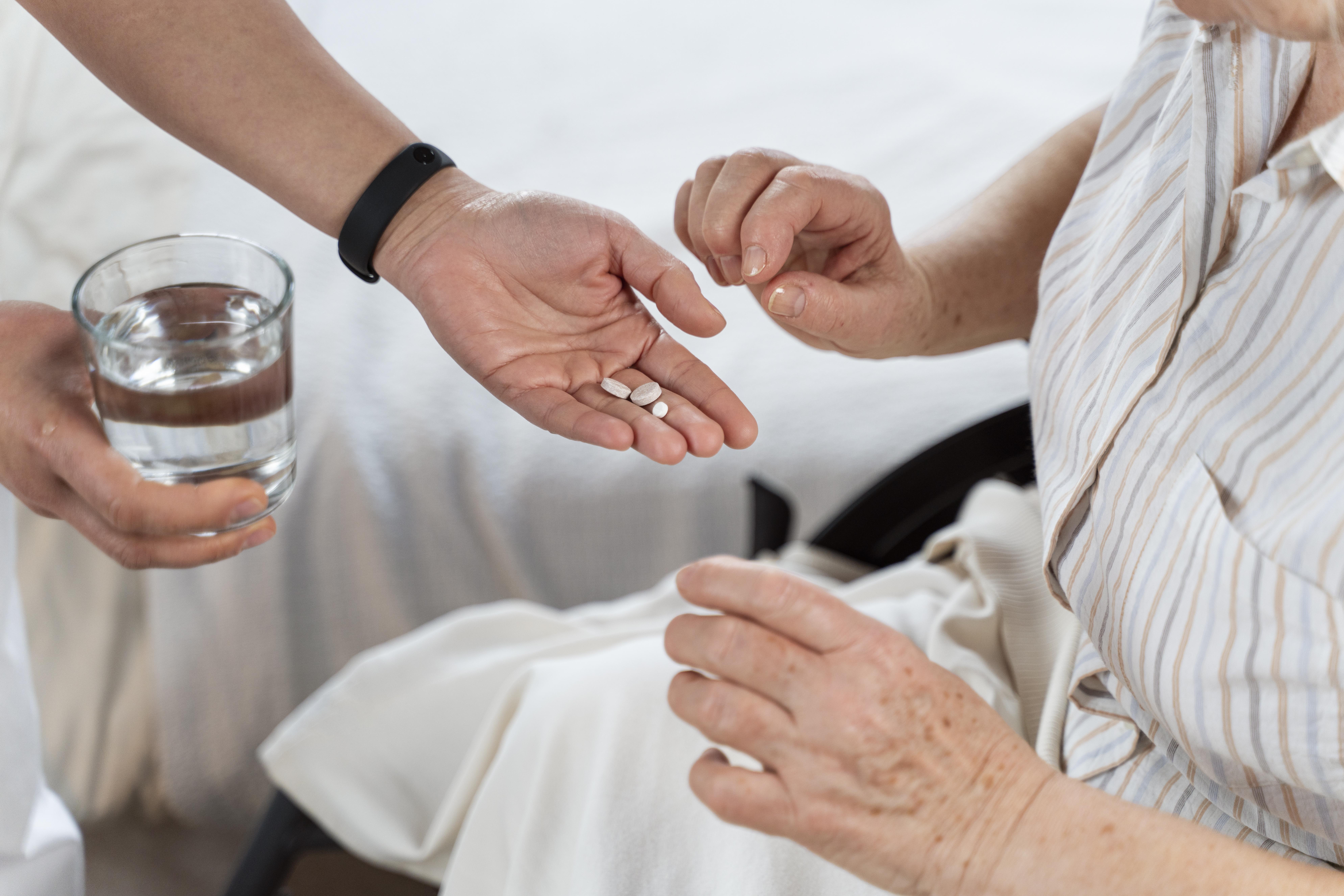
Staying on top of medication is important after an operation, especially when pain relief or antibiotics are prescribed at specific times. A carer can help you keep track of what to take and when and can gently remind you, so you don’t miss doses. This alone can speed up recovery and reduce complications.
Safe mobility and movement around the home
After surgery, mobility is often limited whether due to stitches, swelling, weakness or general discomfort. A carer can support you with safe movement around the house, help you in and out of bed, and make sure you aren’t putting pressure on areas that need time to heal. This reduces the risk of falls or straining your body before it’s ready.
Meal preparation and nutrition support
Eating well is one of the most underrated parts of recovery. But cooking can be exhausting when you’re healing. A carer can prepare nutritious meals, keep you hydrated, and ensure you’re eating the right kinds of foods that support healing. They can even help with special diets if your recovery plan includes them.
Household tasks you can’t safely do yet
Everyday jobs like hoovering, laundry, bed-changing, shopping can feel impossible post-surgery. A carer can take these tasks off your plate so you can focus on resting. They can also keep the home environment clean and safe, which is particularly important if you’re at risk of infection.
Monitoring your recovery
Carers are trained to spot early signs that something isn’t quite right such as changes in wound appearance, swelling, temperature or pain levels. They can keep an eye on how you’re progressing and contact medical help if anything looks concerning. It’s reassuring to have someone there who knows what to look out for.
Companionship and emotional support
Recovering from surgery doesn’t just affect the body, it affects mood, confidence and energy levels too. Having someone around to chat with, encourage you and help you stay positive can make a huge difference. A carer can also support you with gentle exercise or mobility routines recommended by your healthcare team.
Live-in care vs daily visits. What’s right for you?
If you need constant support, have limited mobility, or feel anxious about being alone, live-in care may be the best option. If you’re independent but just need a bit of help at certain times of day, daily home-care visits might be all you need. Many people start with more intense support and gradually reduce it as they recover.
Need support after surgery?
Everycare can help you put together a short-term or longer-term care plan that supports your recovery and keeps you safe at home. Get in touch today to chat through your options. Call 01962 842548 or email info@everycarehants.co.uk.